What an Online Dispute Case Predictor Can Do
Most people do not start a legal dispute by searching for a statute. They start with a mess. A landlord kept the deposit. A contractor stopped answering. A former employee threatens a claim. You want one thing first: a straight answer. That is where an online dispute case predictor starts to matter.
Not as a toy. Not as a chatbot that tells you what you want to hear. As a pressure test.
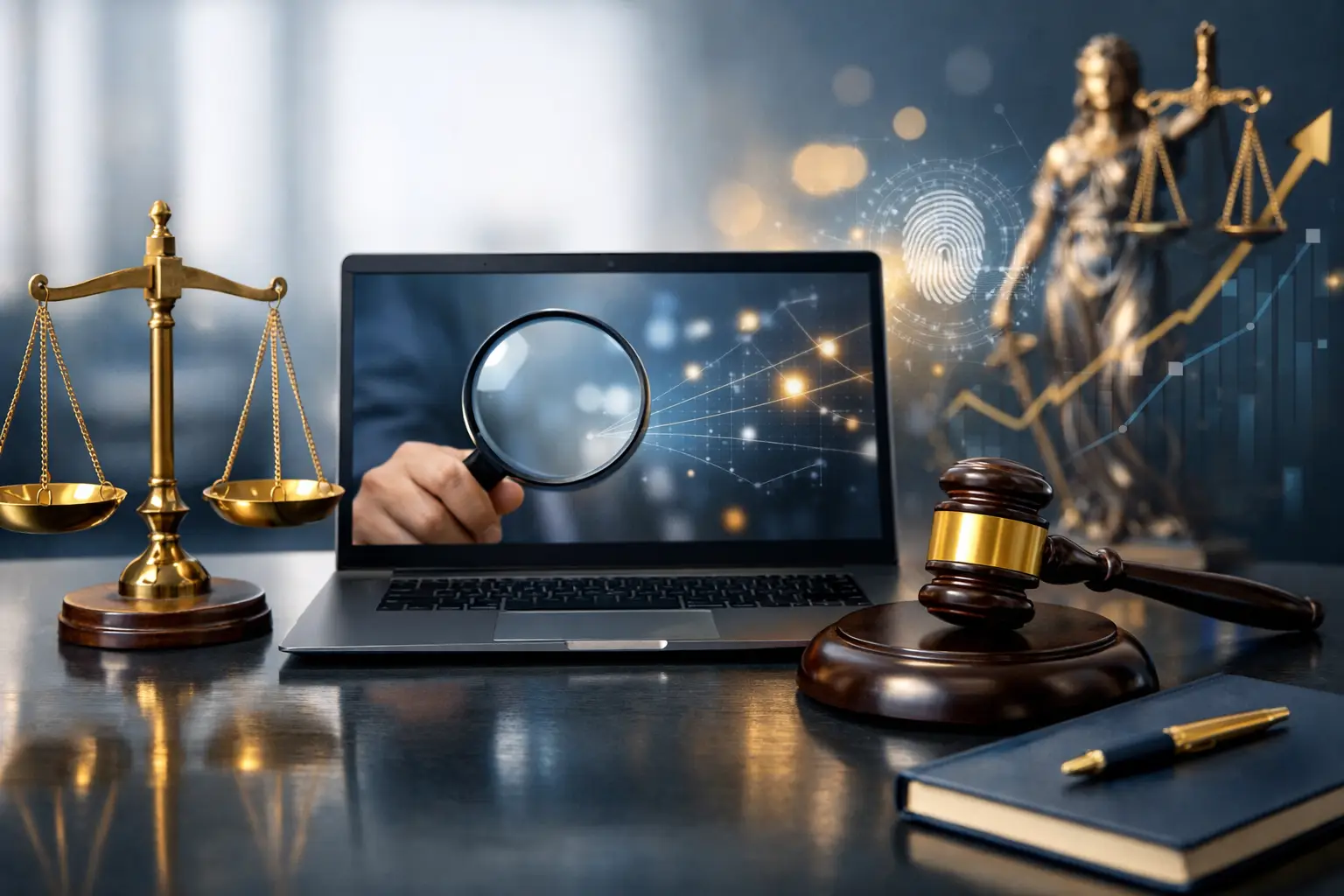
A good predictor takes your documents, your timeline, and your version of events, then asks the harder question most generic AI skips: if the other side pushes back, what still holds up? That shift matters because legal problems are rarely about how convincing your story sounds on first read. They turn on evidence, timing, jurisdiction, and the facts that cut against you.
What an online dispute case predictor actually does
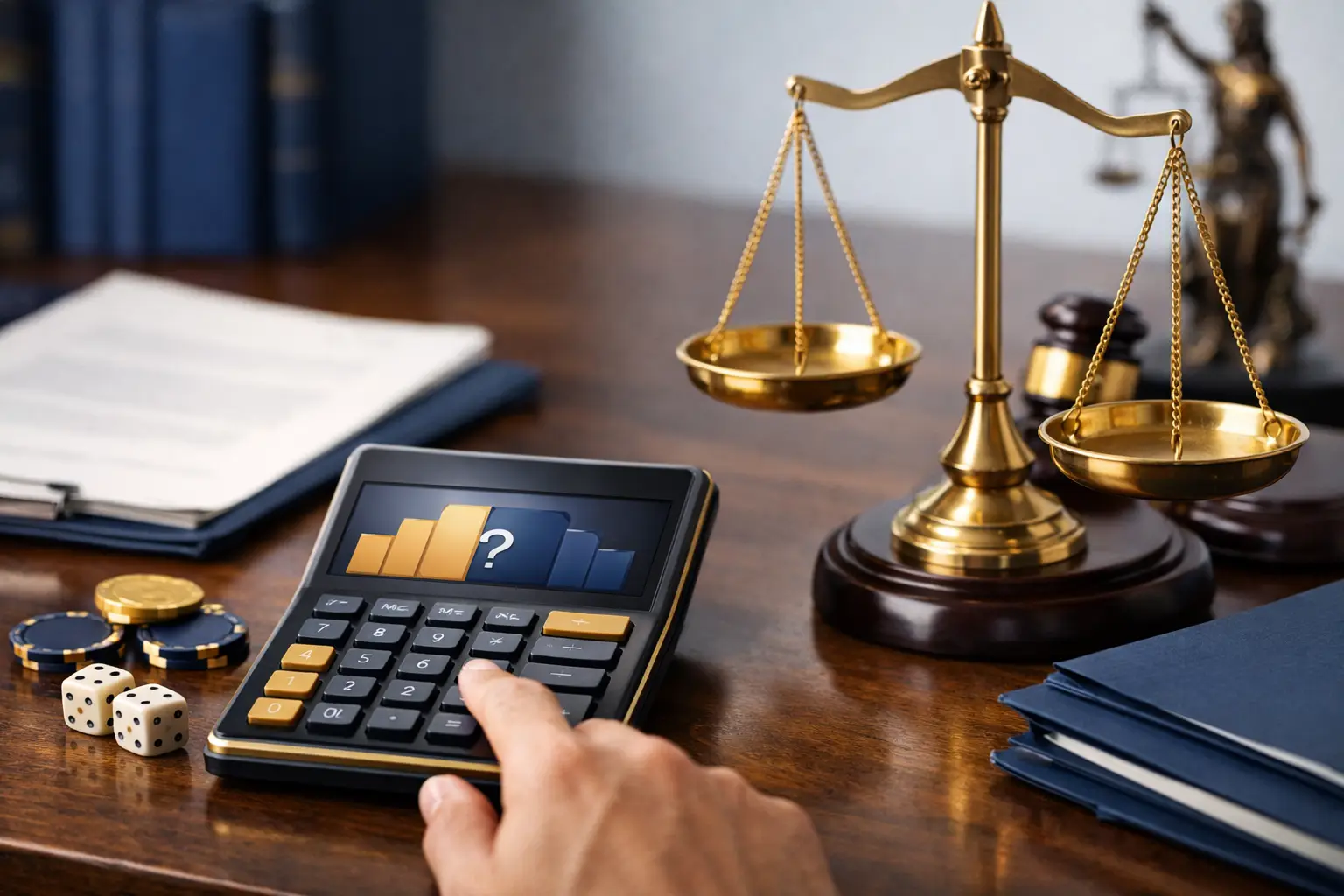
At its best, an online dispute case predictor is not trying to replace a lawyer or issue a fake guarantee. It is trying to estimate outcomes with discipline. That means looking at the facts you provide, comparing them against patterns from similar disputes, and identifying strengths, weaknesses, and likely pressure points.
For consumers, that can answer practical questions fast. Do you appear to have a real claim, or just frustration? Is your case stronger than the threatening letter made it seem? Are there missing documents that hurt you more than the underlying event itself? If you are a small business owner, it can also help you decide whether to settle early, gather more proof, or prepare for a fight.
That sounds simple, but the difference between useful and useless comes down to method. Plenty of AI systems are built to be agreeable. They smooth over uncertainty, avoid firm judgment, and produce polished language that feels smart while saying very little. Legal disputes need the opposite. They need skepticism.
Why prediction beats generic legal content
Most legal websites still assume people know what they need. They push blog posts, practice area pages, and directory listings. That model breaks down fast when someone is stressed and does not know whether their issue is breach of contract, fraud, negligence, wrongful eviction, or something else.
An online dispute case predictor flips the process. Instead of making users translate their problem into legal jargon, it lets them describe what happened in plain English. The system then works backward from the facts.
That is a better fit for how real people think. It also produces better intent signals. Someone uploading a lease dispute, unpaid invoice trail, or demand letter is not casually browsing. They are trying to make a decision. For law firms, that matters too. The value is not random traffic. The value is highly specific demand tied to jurisdiction and case type.
The hard truth about legal predictions
A prediction is only useful if it is willing to tell you bad news.
Some disputes feel morally obvious and still look weak on paper. A business owner may be clearly wronged, but have no signed contract and no clean record of damages. A consumer may have text messages that look compelling, but be outside the filing deadline. A tenant may have serious complaints, but the lease language and local rules may still narrow the available remedies.
This is why judgment matters more than reassurance. If a system simply confirms your feelings, it wastes your time. A stronger system stress-tests your case like the other side would. It asks what evidence is missing, what arguments could be used against you, and whether your expectations match how similar disputes usually play out.
There is no honest way to make legal prediction perfect. Facts change. Judges differ. Opposing counsel can be sharp or sloppy. Local procedure can move a case more than broad legal theory. In a state like Georgia, for example, venue, timing, and documentation can shape leverage early. The same is true in New York, Florida, and Texas, where procedural posture often matters as much as the core complaint.
So the right promise is not certainty. It is clarity.
What to look for in an online dispute case predictor
The first thing is whether it deals with your actual facts instead of broad educational content. If you cannot upload documents or explain your dispute in detail, the output will likely stay generic.
The second is whether the system is built to challenge your case. This is where many tools fail. They summarize. They rephrase. They sound polished. But they do not cross-examine the narrative. A better system asks what the other side will say, where your proof is thin, and which facts matter most if the dispute escalates.
The third is whether the output helps you act. Odds by themselves are not enough. You need to know why the estimate looks the way it does and what could improve it. That might mean collecting invoices, preserving screenshots, organizing a timeline, sending notice properly, or stopping a damaging communication pattern.
Privacy matters too. Legal issues are sensitive. People hesitate because they do not want to be sold, tracked, or pushed into a consultation they did not ask for. A consumer-first tool lowers that friction. No signup. No waiting. No pressure before you even know if your case has substance.
Who gets the most value from this kind of tool
Consumers in early-stage disputes usually benefit the most because they are trying to decide whether to escalate, settle, or walk away. The cost of getting that call wrong is high. Spending thousands on a weak matter hurts. Ignoring a strong matter hurts too.
Small business users also get value because disputes often sit in a gray zone between operational issue and legal issue. A nonpaying client, a broken vendor agreement, or an employment conflict can drag on while nobody wants to spend money on counsel yet. An online predictor gives a first-pass read before that delay becomes expensive.
Law firms should pay attention for a different reason. This is where legal marketing is heading. People are moving away from keyword search and broad directories because they do not think in practice areas. They think in situations. The firms that show up around analyzed, high-intent disputes will get better leads than firms paying for loose clicks from people still guessing what kind of lawyer they need.
Where the limits are
No serious platform should pretend every case can be scored cleanly. If facts are missing, the result may be provisional. If credibility is central, written materials may only tell part of the story. If damages are small, a technically valid claim may still be economically weak.
That does not make prediction less useful. It makes disciplined prediction more useful than vague optimism. Knowing your case is currently under-documented is valuable. Knowing your best claim is weaker than your strongest emotional argument is valuable. Knowing a settlement posture likely beats litigation is valuable.
This is also where a platform like CaseOdds.ai has a practical edge when it treats analysis as adversarial rather than agreeable. Consumers do not need another machine that flatters them. They need one that tests whether the story survives pressure.
The real decision it helps you make
The point of an online dispute case predictor is not to turn legal conflict into a game score. It is to shorten the distance between confusion and action.
Maybe the action is hiring counsel because the facts are strong and the exposure is serious. Maybe it is negotiating from a firmer position because you now understand your leverage. Maybe it is fixing your evidence before you make a claim. Maybe it is deciding not to throw more time and money at a case that does not hold up.
All of those are good outcomes if they are based on a sober read of the facts.
People facing disputes do not need more content for content's sake. They need judgment. They need speed. They need privacy. Most of all, they need a system willing to say, with reasons, whether their case looks strong, weak, or fixable. When a tool can do that clearly and without friction, it stops being a novelty and starts becoming the first place people go to know their odds before court.