AI Legal Analysis vs Lawyer: What Wins?
Most people do not wake up wanting a lawyer. They want a straight answer: Do I have a case, how strong is it, and what should I do next? That is why the real debate around ai legal analysis vs lawyer is not about replacing attorneys with software. It is about who helps you make the next decision faster, cheaper, and with fewer blind spots.
For someone staring at a demand letter, a denied insurance claim, a landlord dispute, a business contract problem, or a possible lawsuit, time matters. So does cost. A one-hour consultation with a lawyer can be expensive, and many people are still not sure they are even asking the right questions. AI legal analysis changed that. It gives people a first read on risk, leverage, and likely outcomes before they commit to legal fees.
AI legal analysis vs lawyer: the real difference
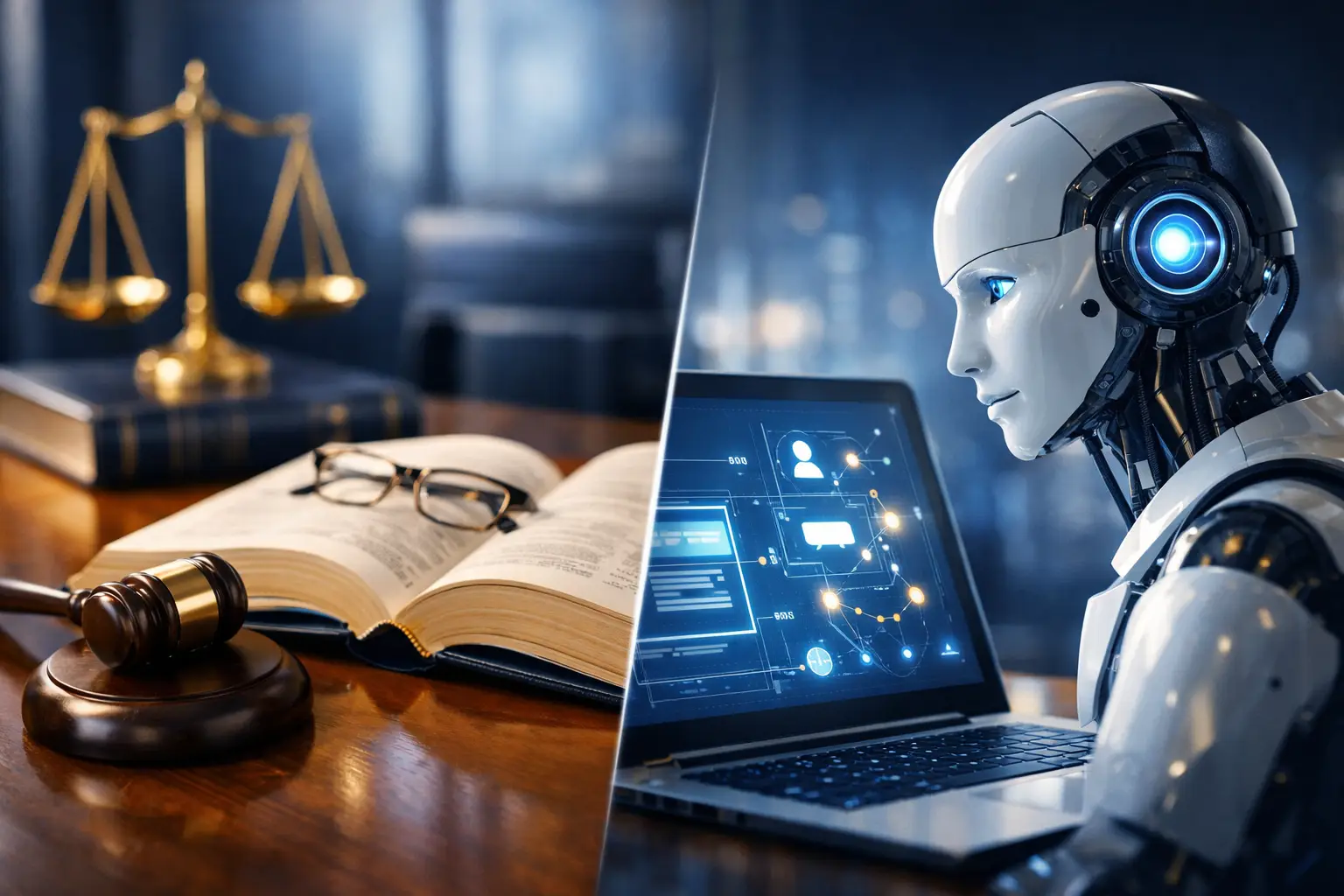
A lawyer is trained to advise, advocate, negotiate, and represent. AI is trained to analyze patterns, test arguments, and surface issues fast. Those are not the same job.
The strongest case for AI is speed and discipline. A good legal analysis tool can review facts, compare them against known legal patterns, identify strengths and weaknesses, and tell you where your story breaks. It does not get tired. It does not rush because the next client is waiting. It also does not bill by the hour.
The strongest case for a lawyer is accountability and strategy in the real world. A lawyer can tell you not only what the law may say, but how a judge in a specific court may react, how opposing counsel is likely to behave, and when settlement is smarter than a fight. If the matter turns into filings, negotiation, discovery, or trial, AI cannot stand in for licensed counsel.
That is the practical line. AI can help you think. A lawyer can help you act.
Where AI legal analysis is better than a lawyer
The uncomfortable truth is that many legal consumers do not need a full attorney relationship on day one. They need clarity. They need someone or something to pressure-test their position before they spend thousands.
AI is often better at the first-pass analysis stage. It can look at a dispute with fresh eyes and no incentive to keep the clock running. It can point out missing facts, weak evidence, inconsistent timelines, and legal theories that sound emotionally strong but are actually weak. That kind of bluntness matters.
It also helps people who would otherwise avoid legal help entirely. If someone is embarrassed, confused, or worried about cost, a free and private analysis is a lower-friction starting point. They can upload documents or explain the issue in plain English and get immediate feedback. No scheduling. No intake call. No awkward uncertainty.
For small business owners, this matters even more. Many disputes sit in the gray zone where hiring counsel feels too expensive but doing nothing feels dangerous. AI helps them size the problem before it grows.
There is another edge AI has: consistency. A disciplined system can run the same skeptical review every time. It can cross-examine the facts instead of simply echoing what the user hopes to hear. That is a major difference from generic chatbots that often act agreeable instead of analytical.
Where a lawyer is still clearly better
There are moments when the ai legal analysis vs lawyer question has an easy answer. If your freedom, license, immigration status, parental rights, or major financial exposure is on the line, get a lawyer. Fast.
The same goes for anything procedural or court-facing. Filing deadlines, service rules, motion practice, hearings, settlement conferences, and trial preparation are not just about understanding law. They are about doing law correctly under pressure. Small mistakes can wreck a strong case.
Lawyers are also better when facts are incomplete or the human dynamics matter more than the black-letter law. A messy partnership dispute, a hostile divorce, a bad-faith insurance case, or an employment retaliation claim may involve leverage, psychology, and negotiation tactics that go beyond document analysis.
And then there is professional responsibility. A lawyer owes duties to the client. That matters. If advice is wrong or representation falls below the required standard, there are consequences. AI does not carry that kind of legal duty.
Cost, speed, and objectivity
This is where consumers feel the gap most.
AI is usually much faster. Instead of waiting days for a callback or a consultation slot, users can get analysis right away. That speed is not just convenient. It can change what they do next. A person who knows their claim is weak may avoid wasting time. A person who sees real strengths may organize evidence before it disappears.
AI is also dramatically cheaper, and in some cases free. That alone opens the door for people who would never pay for a first legal opinion.
Lawyers, of course, cost more because they do more. They carry licenses, insurance, ethical obligations, and the ability to represent. The problem is that many people pay lawyer rates before they know whether their issue is legally strong enough to justify it.
Objectivity is trickier. Some lawyers are brutally honest. Others are optimistic because they want the engagement. Some are cautious because they do not want risk. AI can be more consistent if it is built to challenge the user instead of flatter them. But AI can also miss nuance if the facts are incomplete or the jurisdiction-specific rules are unusual.
So objectivity depends on the tool and the lawyer. The best approach is not blind trust in either one. It is rigorous screening of both.
When AI is enough and when it is not
AI is enough when you need an early read, not formal representation. It works well for checking whether your facts support a plausible claim or defense, spotting weak points before you talk to counsel, comparing likely outcomes, and figuring out what documents or evidence matter most.
It is not enough when the next step requires legal action with real consequences. If you must respond to a lawsuit, negotiate a high-stakes settlement, appear in court, or make decisions that could trigger serious liability, the safe move is to bring in an attorney.
A smart workflow is simple. Start with analysis. Use that analysis to decide whether the matter is weak, fixable, or serious enough to escalate. Then hire a lawyer with better information and better questions.
That approach can save money even if you do end up hiring counsel. You show up organized. You know your likely strengths and vulnerabilities. You avoid paying a lawyer to do basic sorting that technology can do in minutes.
What consumers should watch out for
Not all AI legal tools are serious, and not all lawyers are a fit.
If an AI system gives confident answers without testing assumptions, asking follow-up questions, or identifying uncertainty, be careful. Legal analysis is not fortune-telling. Good analysis should expose weak facts, competing interpretations, and risk factors.
If a lawyer refuses to discuss downside scenarios, be careful there too. A good attorney should be able to explain not just how you might win, but why you might lose.
For users in states like Georgia, Florida, New York, or Texas, local procedure and court culture can shift the value of legal strategy. AI can frame the dispute well, but jurisdiction-specific representation still matters once the case becomes active.
That is why the strongest consumer position is not AI alone or lawyer alone. It is using the right tool at the right stage.
The smartest answer to ai legal analysis vs lawyer
The wrong question is whether AI replaces lawyers. The better question is when each one creates the most value.
AI wins when you need fast, private, low-cost clarity. It helps people think before they spend. It helps them test a story before they bet on it. It helps them understand their odds before court, before negotiation, and before an expensive consultation.
A lawyer wins when the matter is live, high-stakes, procedural, or strategically complex. That is where judgment, advocacy, and accountability matter most.
Used properly, AI makes lawyers more effective because the client arrives better prepared. Used poorly, AI can give false confidence. The same is true of lawyers, frankly. Some save cases. Some just send invoices.
That is the real shift in legal services. People no longer have to choose between doing nothing and hiring a lawyer blind. They can start with disciplined analysis, pressure-test the facts, and escalate only when the case deserves it. That is a better way to make legal decisions, and for many people it is the first time the system has felt built for them.
If you are facing a dispute, the smartest first move is not panic and it is not guesswork. It is getting a hard, honest read on where you stand before the clock and the bills start running.